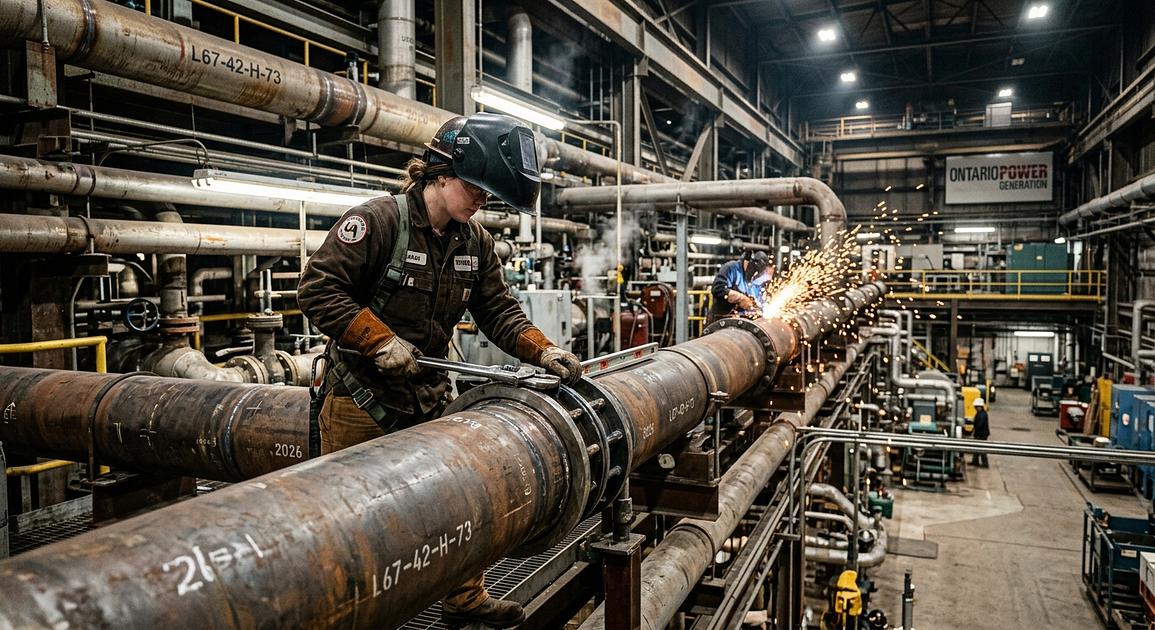
Pipefitter Jobs in Ontario 2026: Industrial Piping, Steam & Process Systems Careers
Pipefitter Careers in Ottawa & Ontario: A 2026 Overview
The pipefitter trade is one of the most in-demand skilled professions in Ottawa and Ontario in 2026. With major infrastructure projects, residential construction booms, and a wave of retirements creating significant labour shortages, pipefitters are finding more opportunities and better compensation than ever before. This comprehensive guide covers everything you need to know about pipefitter careers in the National Capital Region.
Why Pipefitter Careers Are Booming in Ottawa 2026
Ottawa's construction and industrial sectors are experiencing unprecedented growth. The LRT Stage 2 expansion, federal building modernization projects, and a residential construction boom across Barrhaven, Kanata, and Orleans are driving demand for skilled pipefitters. Combined with an aging workforce — nearly 30% of Ontario's skilled trades workers are expected to retire by 2030 — the opportunity for new entrants has never been better.
The average salary for a pipefitter in Ottawa ranges from $40,000 to $100,000+ annually, depending on experience, specialization, and certification level. Top-earning professionals with Red Seal certification and specialized skills regularly exceed $110,000.
Salary Guide for Pipefitters in Ottawa & Ontario
| Experience Level | Hourly Rate | Annual Salary |
|---|---|---|
| Entry Level / Apprentice | $18 - $24/hr | $37,000 - $50,000 |
| Journeyperson | $28 - $42/hr | $58,000 - $87,000 |
| Senior / Specialized | $42 - $55/hr | $87,000 - $114,000 |
| Self-Employed / Business Owner | $50 - $75+/hr | $100,000 - $150,000+ |
Source: Skilled Trades Ontario, Job Bank Canada, and industry surveys 2026. Salaries vary by employer, union status, and specialization.
Key Responsibilities
Professional pipefitters in Ottawa perform a wide range of duties depending on their specialization and work environment. Common responsibilities include:
- Technical expertise — applying trade-specific knowledge and skills to complete projects to code and specification
- Safety compliance — following Ontario's Occupational Health and Safety Act, using proper PPE, and maintaining safe work environments
- Blueprint reading — interpreting technical drawings, schematics, and building plans to execute work accurately
- Quality assurance — ensuring all work meets Ontario Building Code standards and passes required inspections
- Client communication — explaining work scope, timelines, and recommendations to clients and project managers
- Continuous learning — staying current with new technologies, materials, and techniques through ongoing professional development
Certification & Training Requirements
To work as a pipefitter in Ontario, you'll need to complete the appropriate training and certification pathway:
- Pre-apprenticeship training — 1-2 year college program at institutions like Algonquin College, La Cité, or other Ontario colleges
- Registered apprenticeship — combine paid on-the-job training with technical schooling through Skilled Trades Ontario
- Certificate of Qualification — pass the provincial exam to become a certified journeyperson
- Red Seal endorsement (recommended) — pass the interprovincial exam for mobility across Canada
Job Market Outlook
Employment and Social Development Canada's Job Bank rates pipefitter prospects in the Ottawa-Gatineau region as good to very good for 2026-2028. Key demand drivers include:
- Federal government infrastructure investment and building modernization
- Ottawa LRT Stage 2 construction and transit expansion
- Residential housing development across all quadrants of the city
- Retirement of experienced trades workers creating replacement demand
- Growing emphasis on energy efficiency and green building standards
How to Find Pipefitter Jobs in Ottawa
The best way to find pipefitter positions in Ottawa and Ontario is through TradesOn.ca — the leading job board for skilled trades in the National Capital Region. You can also connect with local unions, attend job fairs at Algonquin College and La Cité, and network through Skilled Trades Ontario events.
Related Trades & Career Paths
Many pipefitters in Ottawa expand their skills into related trades for greater versatility and earning potential. Consider exploring these complementary career paths:
- Boilermaker Jobs Ontario 2026 Industrial Boiler Pressure Ves
- Sprinkler Fitter Jobs Ontario 2026 Fire Protection Careers S
- Welder Jobs Ottawa Ontario 2026 Mig Tig Structural Welding Careers
- Insulator Jobs Ontario 2026 Heat Frost Insulation Careers Sa
- Gas Fitter Jobs Ontario 2026 Tssa Certification Salary Caree
Frequently Asked Questions
How much do pipefitters make in Ontario?
Pipefitters in Ontario earn between $52,000 and $110,000 annually in 2026. Apprentice pipefitters start at $20-$25/hour, journeyperson pipefitters earn $32-$45/hour, and specialized high-pressure or nuclear pipefitters earn $45-$58/hour. UA Union pipefitters receive excellent benefits packages on top of base wages.
What is the difference between a pipefitter and a plumber?
Pipefitters work with high-pressure industrial piping systems — steam, chemicals, fuel, and process fluids in power plants, refineries, manufacturing facilities, and institutional buildings. Plumbers work with low-pressure water, waste, and gas systems in residential and commercial buildings. Pipefitters handle more complex materials, higher pressures, and specialized joining techniques.
What pipefitting certification do I need in Ontario?
Ontario requires pipefitters to complete a 5-year apprenticeship through Skilled Trades Ontario (approximately 9,000 hours on-the-job plus technical training) and pass the Certificate of Qualification exam. Additional certifications may include welding certifications (CWB), high-pressure boiler endorsements, and TSSA inspections qualifications. Red Seal endorsement provides interprovincial mobility.
Are pipefitters in demand in Ontario in 2026?
Yes, pipefitters are in high demand across Ontario in 2026. The province's power generation sector, pharmaceutical manufacturing, petrochemical facilities, and institutional construction all require skilled pipefitters. Retirement of experienced workers and new industrial projects create sustained demand, particularly in the Greater Toronto Area, Ottawa, and Sarnia-Lambton industrial corridor.
What pipefitting specializations pay the most in Ontario?
The highest-paying pipefitting specializations in Ontario include nuclear facility pipefitting ($50-$60/hour), high-pressure steam systems ($48-$56/hour), pharmaceutical/biotech process piping ($46-$54/hour), and instrument tubing and control systems ($44-$52/hour). Work in regulated industries typically commands premium rates due to additional safety and quality requirements.
Last updated: July 2026. Salary data sourced from Skilled Trades Ontario, Job Bank Canada, PayScale, and Indeed salary reports for the Ottawa-Gatineau region.