Ironworker & Structural Steel Jobs Ontario 2026: Salary, Certification & Career Guide
Ironworker & Structural Steel Jobs Ontario 2026: Salary, Certification & Career Guide
Ontario's construction boom is driving unprecedented demand for skilled ironworkers and structural steel workers. From high-rise towers in downtown Ottawa to bridge projects across the GTA, ironworkers are among the highest-paid tradespeople in the province. This guide covers everything you need to know about ironworker careers in Ontario in 2026 — salaries, certification pathways, training programs, and the top employers hiring right now.
What Does an Ironworker Do?
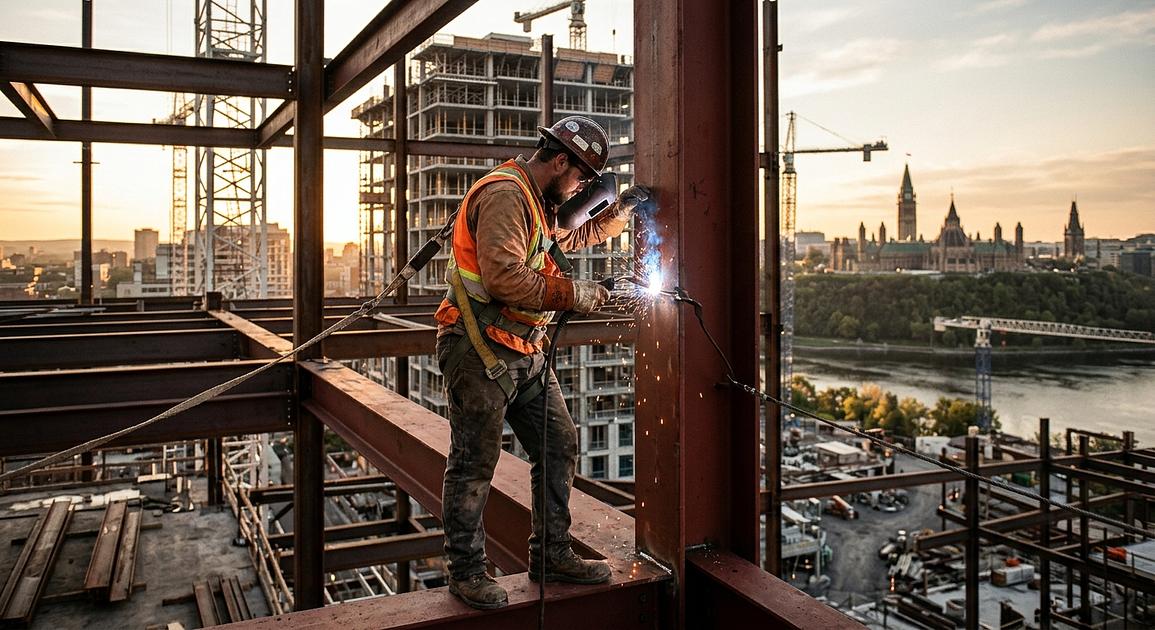
Ironworkers — also called structural iron and steel workers — are skilled tradespeople who install, connect, and erect structural steel frameworks for buildings, bridges, and other large structures. Their work includes reading blueprints, rigging and hoisting steel beams, bolting and welding connections, and ensuring structural integrity at great heights.
Key responsibilities include:
- Reading and interpreting structural drawings and blueprints
- Rigging, hoisting, and positioning steel beams and columns
- Bolting, welding, and riveting steel connections
- Operating cranes and hoisting equipment
- Working at heights on scaffolding, lifts, and steel frameworks
- Inspecting and reinforcing existing steel structures
- Following strict safety protocols and OHSA regulations
Ironworkers are essential to every major construction project in Ontario. Whether it's the LRT expansion in Ottawa, condo towers in Toronto, or hospital builds across the province, structural steel workers form the backbone of commercial and infrastructure construction.
Ironworker Salary in Ontario (2026)
Ironworkers are among the highest-earning skilled trades in Ontario. Compensation varies by experience level, union status, and project type. Here's a breakdown of what ironworkers can expect to earn in 2026:
| Experience Level | Hourly Rate | Annual Salary |
|---|---|---|
| Entry-Level / Apprentice (1–2 years) | $28–$35/hr | $58,000–$72,000 |
| Journeyman (3–5 years) | $38–$48/hr | $78,000–$99,000 |
| Senior Ironworker (5–10 years) | $46–$55/hr | $95,000–$113,000 |
| Foreman / Lead Hand | $50–$60/hr | $104,000–$124,000 |
Union ironworkers (LIUNA Local 183, IUOE, or Ironworkers Local 721) typically earn 15–25% more than non-union workers, plus comprehensive benefits packages including health, dental, pension, and annuity contributions. Overtime, shift premiums, and travel allowances can push total compensation well above $130,000 for experienced workers on major projects.
For a broader look at trade compensation across Ontario, check out our guide to skilled trades salaries in Ontario for 2026.
Certification & Training Requirements
Becoming a certified ironworker in Ontario requires a combination of classroom training, on-the-job apprenticeship, and industry certifications. Here's what you need:
Ironworker Apprenticeship Program
Ontario's ironworker apprenticeship is a 3-year (6,000-hour) program administered by the Ministry of Labour, Immigration, Training and Skills Development. Apprentices complete approximately 900 hours of in-class training per year at an approved college, combined with paid on-the-job training under a journeyperson.
Apprenticeship wages start at roughly 50–60% of the journeyperson rate and increase with each period completed. Upon finishing all three periods and passing the Certificate of Qualification exam, you earn your Red Seal endorsement, which is recognized across Canada.
Learn more about starting your career in the trades through Ontario trades apprenticeship programs in 2026.
Required Certifications & Tickets
In addition to the apprenticeship, ironworkers in Ontario typically need:
- Working at Heights Training — Mandatory for any construction work above 3 metres (MLITSD requirement)
- WHMIS 2015 — Workplace Hazardous Materials Information System certification
- First Aid & CPR — Standard First Aid with CPR-C
- Rigging & Hoisting Certificate — Often required for crane signal and rigging work
- Welding Tickets — CWB (Canadian Welding Bureau) certification for structural welding (SMAW, FCAW, GMAW)
- Fall Protection — Additional training beyond Working at Heights for high-steel work
- Confined Space Entry — Required for certain industrial and bridge projects
For a complete overview of trade credentials, see our Ontario trades certifications complete guide and the Red Seal certification guide for 2026.
Training Programs in Ottawa & Ontario
Several colleges and training centres across Ontario offer ironworker and structural steel programs:
- Algonquin College (Ottawa) — Pre-apprenticeship construction trades program with steel fabrication modules
- St. Lawrence College (Kingston) — Welding techniques program with structural steel focus
- George Brown College (Toronto) — Construction techniques – carpentry and steel framing
- Conestoga College (Kitchener) — Welding engineering technology and ironworker prep courses
- Ironworkers Local 721 Training Centre (Toronto) — Union-sponsored apprenticeship and upgrading programs
- LIUNA Training Centre (Hamilton) — Rigging, hoisting, and structural steel erection courses
Many employers also offer paid pre-apprenticeship programs that give you a head start before formally registering with the Ministry. These are excellent entry points for career changers and new immigrants with construction experience.
Job Market Outlook for 2026
The outlook for ironworkers in Ontario is exceptionally strong heading into 2026. Several factors are driving demand:
- Infrastructure Investment: Ontario's $140+ billion infrastructure plan includes major transit projects (Ottawa LRT Stage 2, Ontario Line in Toronto), highway expansions, and hospital builds — all requiring structural steel workers.
- Construction Boom: The GTA and Ottawa continue to see record condo and commercial construction, with dozens of high-rise projects in various stages of steel erection.
- Retirement Wave: An estimated 30% of Ontario's current ironworker workforce is eligible for retirement by 2028, creating significant replacement demand.
- Green Energy Projects: Wind turbine installation and solar farm construction are creating new opportunities for ironworkers with rigging and crane experience.
- Bridge & Highway Work: MTO's multi-year bridge rehabilitation program across Northern and Eastern Ontario needs structural steel specialists.
Job Bank Canada projects good to very good employment prospects for structural ironworkers (NOC 72412) in Ontario through 2028, with particular strength in Ottawa, Toronto, Hamilton, and the GTA corridor.
If you're exploring related trades, our guides on welder jobs in Ottawa and crane operator jobs in Ottawa cover complementary career paths.
Top Employers Hiring Ironworkers in Ontario
These companies are consistently hiring ironworkers and structural steel workers across Ontario:
| Company | Location | Specialty |
|---|---|---|
| EllisDon Corporation | Toronto / Province-wide | Commercial high-rise, hospitals |
| PCL Constructors | Ottawa / Toronto | Infrastructure, transit, institutional |
| Canac Marquis | Montreal / Ottawa | Structural steel erection |
| Walter Construction | Toronto / GTA | High-rise residential, commercial |
| Graham Construction | Province-wide | Industrial, energy, infrastructure |
| Superior Steel Constructors | Hamilton / GTA | Bridge steel, industrial plants |
| Stuart Olson (SNC-Lavalin) | Toronto / Ottawa | Large-scale infrastructure |
| Local 721 Signatory Contractors | Toronto / GTA | Union commercial & industrial |
For tips on navigating the hiring process, see our construction jobs Ottawa hiring guide for 2026.
How to Get Started as an Ironworker in Ontario
- Meet basic requirements: High school diploma (Grade 12), valid driver's licence, clean criminal record check, and physical fitness for demanding work.
- Complete pre-apprenticeship training: Enroll in a college program or union pre-apprenticeship to build foundational skills.
- Find an employer sponsor: Apply to construction companies or contact the union hall to register your apprenticeship.
- Register with the Ministry: Your employer or union sponsor registers you as an apprentice with MLITSD.
- Complete 3 periods of training: Alternate between college classroom time and paid on-the-job hours.
- Pass the Certificate of Qualification exam: Earn your Red Seal and become a journeyperson ironworker.
Frequently Asked Questions
How much do ironworkers make in Ontario in 2026?
Entry-level ironworker apprentices earn $28–$35/hour ($58K–$72K annually), while experienced journeypersons earn $46–$55/hour ($95K–$113K). Foremen and lead hands can exceed $120K with overtime and benefits.
Do I need a Red Seal to work as an ironworker in Ontario?
A Red Seal is not legally required to work as an ironworker in Ontario, but it is highly recommended. Most union employers and major contractors require or strongly prefer Red Seal-certified workers. It also allows you to work in any Canadian province without re-certification.
How long does it take to become a certified ironworker?
The apprenticeship program takes approximately 3 years (6,000 hours of on-the-job training plus 2,700 hours of in-class instruction). Some workers with prior welding or construction experience may be able to challenge the certification exam earlier through trade equivalency assessment.
Is ironworking dangerous?
Ironworking is classified as a high-risk trade due to work at heights, heavy materials, and exposure to weather. However, Ontario's strict OHSA regulations, mandatory Working at Heights training, fall protection systems, and union safety programs have significantly reduced incident rates. Proper training and PPE are essential.
What's the difference between an ironworker and a welder?
Ironworkers focus on erecting and connecting structural steel frameworks — reading blueprints, rigging, bolting, and positioning beams. Welders specialize in joining metal through various welding processes (MIG, TIG, stick). Many ironworkers hold welding tickets, and the trades overlap on job sites, but they are distinct classifications with separate apprenticeship programs.
Browse Ironworker Jobs in Ontario
Ready to take the next step in your ironworker career? Browse current ironworker and structural steel job openings across Ontario on TradesOn. Whether you're a certified journeyperson looking for your next project or an apprentice seeking an employer sponsor, we connect skilled tradespeople with top construction companies hiring right now.