Insulator Jobs Ontario 2026: Heat & Frost Insulation Careers & Salary
Introduction
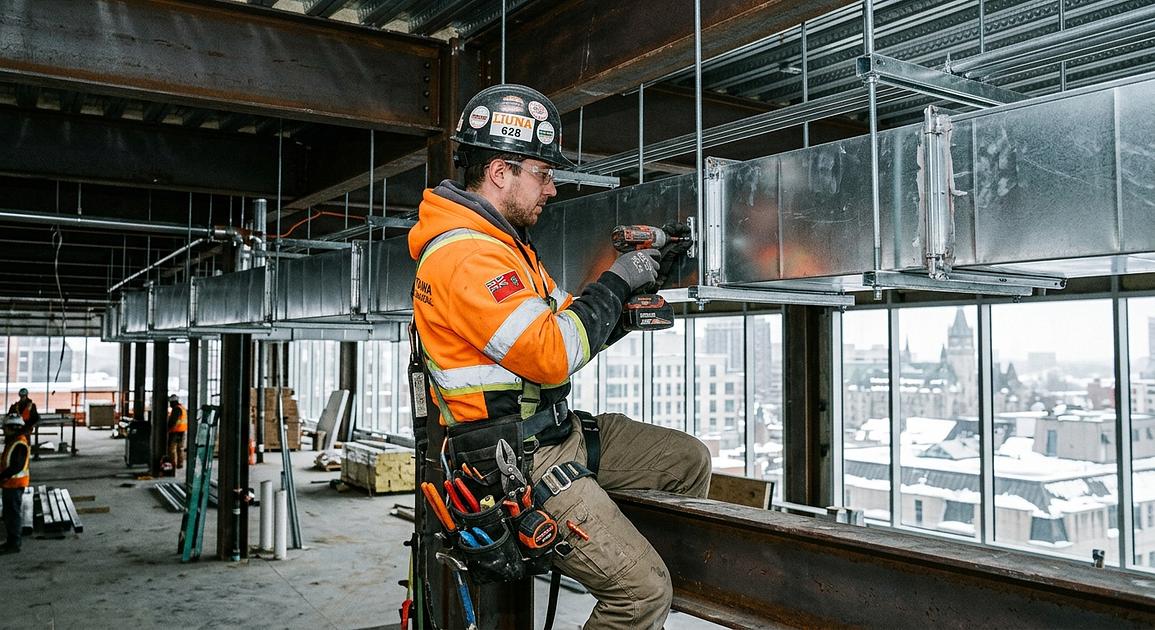
Heat and frost insulators play a crucial role in Ontario's construction and industrial sectors. By installing insulation on pipes, ducts, boilers, and equipment, insulators help control temperatures, reduce energy consumption, and improve comfort in buildings. With Ontario's focus on energy efficiency and green building standards, insulator jobs are in growing demand across the province.
What Does an Insulator Do?
Insulators specialize in thermal and acoustic insulation:
• Installing insulation on HVAC ducts and piping systems
• Insulating boilers, tanks, and industrial equipment
• Applying insulation in new construction and retrofits
• Installing vapor barriers and protective coverings
• Working with various insulation materials (fiberglass, foam, mineral wool)
• Reading blueprints and specifications
• Ensuring compliance with energy codes and standards
The work requires precision and attention to detail, as proper installation directly impacts energy efficiency and system performance.
Insulator Salary in Ontario
| Experience Level | Annual Salary | Hourly Rate |
|---|---|---|
| Apprentice (Year 1-2) | $36,000 - $44,000 | $17 - $21 |
| Apprentice (Year 3-4) | $44,000 - $56,000 | $21 - $27 |
| Journeyperson | $56,000 - $70,000 | $27 - $34 |
| Industrial/Commercial | $65,000 - $80,000 | $31 - $38 |
| Foreman/Supervisor | $75,000 - $85,000+ | $36 - $41+ |
Union insulators through LIUNA typically receive excellent benefits packages including health, dental, pension, and training funds.
Training & Certification
Becoming an insulator in Ontario requires:
1. **Apprenticeship:** 4-year program with 7,200 hours of on-the-job training
2. **Technical Training:** In-school sessions covering materials, methods, and codes
3. **Safety Certifications:** Working at heights, asbestos awareness, WHMIS
4. **Union Membership:** Most insulators are members of LIUNA Local 183 or similar
5. **Red Seal:** Optional certification for interprovincial mobility
The apprenticeship provides paid training with progressive wage increases each year.
Energy Efficiency & Green Building
Insulators are at the forefront of Ontario's green building movement:
• **Energy Codes:** Ontario Building Code requires specific insulation values
• **LEED Certification:** Insulation contributes to green building points
• **Retrofits:** Upgrading insulation in existing buildings for efficiency
• **Industrial Efficiency:** Reducing energy loss in manufacturing processes
• **Comfort & Health:** Proper insulation improves indoor air quality and comfort
As Ontario pushes toward net-zero buildings, insulator skills become increasingly valuable.
Job Outlook in Ottawa
Strong demand for insulators in the National Capital Region:
• **Construction Growth:** New residential and commercial projects require insulation
• **Retrofit Market:** Upgrading existing buildings for energy efficiency
• **Industrial Maintenance:** Ongoing insulation work in manufacturing and utilities
• **Climate Considerations:** Ottawa's cold winters make insulation critical
• **Union Opportunities:** LIUNA provides stable employment and benefits
The trade offers excellent job security as energy efficiency becomes increasingly important.
Related Articles
Frequently Asked Questions
What does an insulator do?
An insulator (heat and frost insulator) installs insulation materials on pipes, ducts, boilers, and equipment to control temperature, prevent energy loss, and reduce noise in buildings and industrial facilities.
How much do insulators earn in Ontario?
Insulators in Ontario earn $48,000 to $85,000 annually. Apprentices start at $36,000-$44,000, while experienced journeypersons in Ottawa earn $65,000-$85,000.
What training is required to become an insulator?
Insulators complete a 4-year apprenticeship program combining on-the-job training with technical instruction. The trade is typically unionized through LIUNA (Labourers' International Union).
Is insulating work in demand in Ottawa?
Yes, demand is strong due to energy efficiency regulations, green building standards, and ongoing construction. Ottawa's climate makes proper insulation critical for both comfort and energy costs.
What materials do insulators work with?
Insulators work with fiberglass, mineral wool, foam, rubber, calcium silicate, and other insulation materials. They also install vapor barriers and protective coverings.