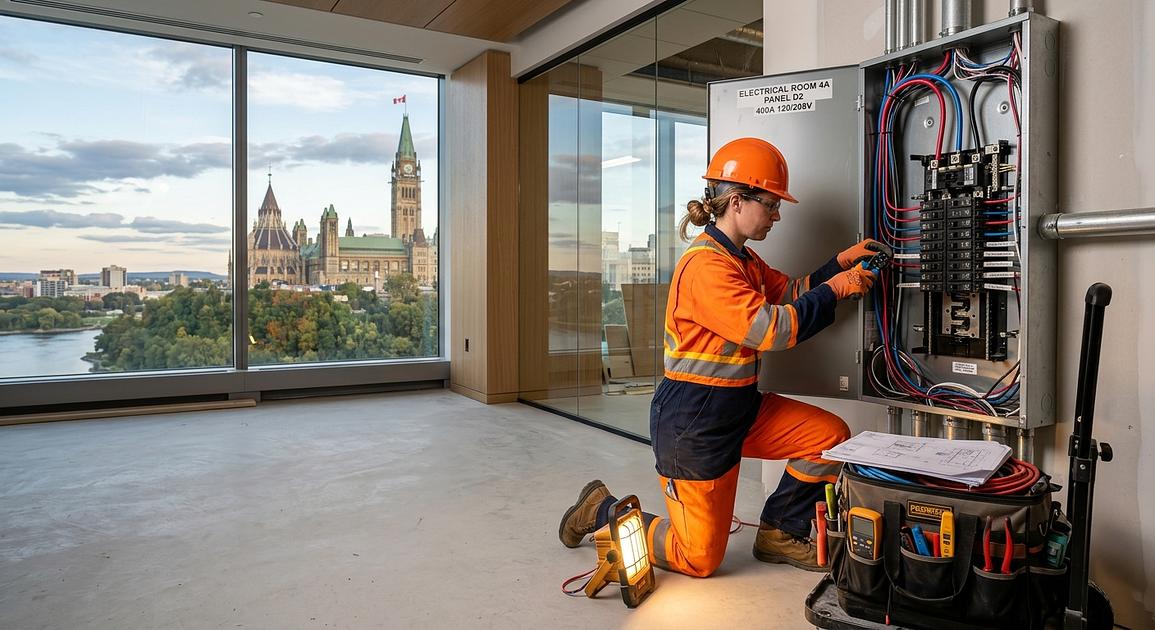
Electrician Jobs in Ottawa 2026: Salary, Licensing & Career Guide
Ottawa's electrical trades sector is experiencing unprecedented growth in 2026, driven by major infrastructure projects, the federal government's green energy initiatives, and a wave of retirements among experienced electricians. Whether you're starting an apprenticeship or looking to relocate to the National Capital Region, this comprehensive guide covers everything you need to know about electrician jobs in Ottawa.
Why Ottawa Is a Top Market for Electricians in 2026
Ottawa's unique position as Canada's capital creates steady demand for electrical professionals across government buildings, tech campuses, residential developments, and major transit projects like the O-Train expansion. The city's growing tech sector — often called Silicon Valley North — also drives demand for specialized electrical work in data centers and high-tech facilities.
Key demand drivers include:
- Light Rail Transit (LRT) expansion — ongoing electrical infrastructure work
- Federal building retrofits — energy efficiency upgrades across government properties
- Residential construction boom — new housing developments in Kanata, Barrhaven, and Orleans
- EV charging infrastructure — growing installation demand across the region
- Smart home technology — increasing complexity in residential electrical systems
Electrician Salary in Ottawa Ontario
| Experience Level | Hourly Rate (CAD) | Annual Salary (CAD) |
|---|---|---|
| Apprentice (Year 1-2) | $20 – $28 | $41,600 – $58,240 |
| Apprentice (Year 3-4) | $28 – $38 | $58,240 – $79,040 |
| Journeyman | $38 – $52 | $79,040 – $108,160 |
| Master / Specialist | $52 – $65+ | $108,160 – $135,200+ |
Source: Job Bank Canada, Skilled Trades Ontario wage data, 2026. Rates vary by employer, union status, and specialization.
Licensing Requirements: 309A vs 442A
Ontario requires all electricians to hold a valid Certificate of Qualification. The two main licenses are:
309A — Construction and Maintenance Electrician
This is the most common license for electricians working in residential and commercial construction. Holders can install, maintain, and repair electrical systems in homes, offices, and retail spaces. The 309A exam covers the Ontario Electrical Safety Code, wiring methods, and safety protocols.
442A — Industrial Electrician
Industrial electricians work in manufacturing plants, mines, and heavy industry. The 442A license covers motor controls, PLCs, high-voltage systems, and industrial automation. Industrial electricians typically earn 10-15% more than their 309A counterparts.
How to Become a Licensed Electrician in Ontario
- Find a sponsor — Register with an employer or union that will sponsor your apprenticeship
- Register with Skilled Trades Ontario — Complete the apprenticeship registration (approximately $150 fee)
- Complete 9,000 hours — Spread over approximately 5 years, combining work and in-school training
- Attend technical training — 8 weeks per year at an approved college (Algonquin College in Ottawa is a major provider)
- Pass the Certificate of Qualification exam — A practical and theoretical exam administered by Skilled Trades Ontario
Top Employers Hiring Electricians in Ottawa
Major employers actively recruiting electricians in the Ottawa region include Hydro Ottawa, IBEW Local 586, PCL Construction, EllisDon, Broccolini, and numerous electrical contracting firms. The federal government also hires electricians directly through Public Services and Procurement Canada for building maintenance roles.
Related Resources
How to Become a Licensed Electrician in Ontario | Top Paying Trades in Ontario 2026 | Skilled Trades Immigration to Ontario | Red Seal Certification Guide | Ontario Trades Apprenticeship Programs